I've spent quite a bit of time observing the cannabis industry, and one name that invariably pops up in discussions about multi-state operators is Vireo Health. It's a company with a compelling story, one that really encapsulates the wild, unpredictable ride that is legal cannabis in America. From its very inception, I've seen how Vireo aimed to distinguish itself, not just as another cannabis business, but as a medically-focused enterprise. This isn't just about growing plants; it's about patient care, scientific rigor, and navigating a regulatory maze that's unlike anything else in modern commerce.
The Visionary Seed: Dr. Kyle Kingsley's Mission
When you talk about Vireo Health, you really can't skip over its founder, Dr. Kyle Kingsley. My understanding is that Dr. Kingsley, a practicing physician, saw the genuine therapeutic potential of cannabis firsthand. He wasn't just chasing a green rush; he was driven by a conviction that cannabis could offer real relief, but it needed to be approached with the same standards you'd expect from any other medicine. This vision is what, I believe, set Vireo on a trajectory that prioritized clinical research, product consistency, and patient education from day one.
Think about it: at a time when much of the cannabis industry was still emerging from the shadows, Vireo was talking about good manufacturing practices (GMP), standardized dosing, and pharmaceutical-grade quality. It's a challenging path, especially when federal prohibition casts a long shadow over everything. But, I think this foundational commitment to medical integrity is what gave them a distinct identity in a crowded field.
Building Blocks: Vertical Integration and Multi-State Presence
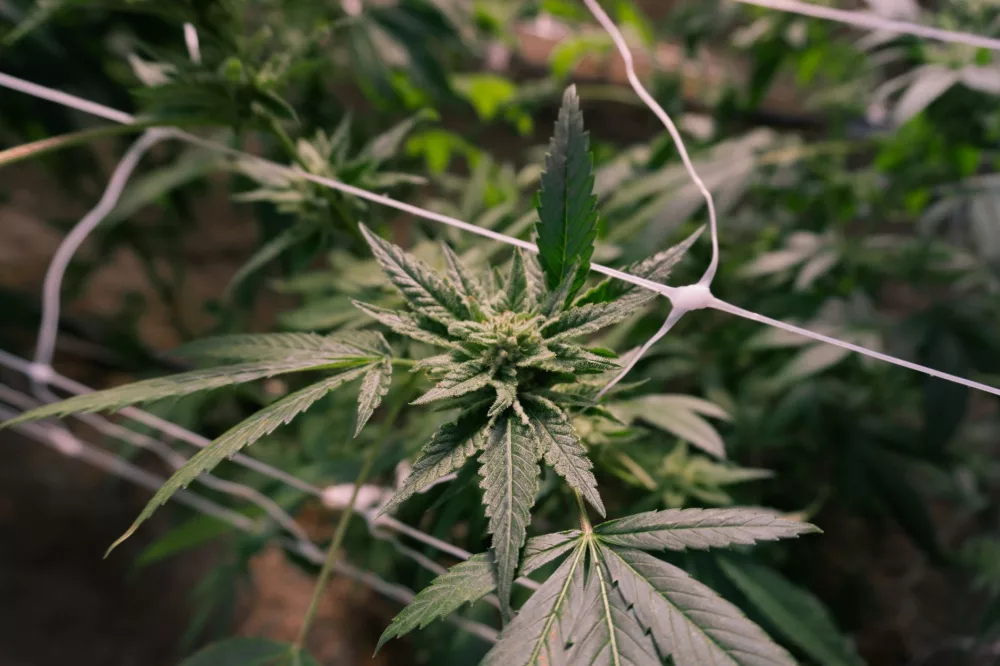
To truly deliver on that medical promise, Vireo adopted a vertically integrated model. What does that mean? Basically, they control every step of the process, from seed to sale. I'm talking about cultivation, processing, manufacturing, and operating their own dispensaries. This level of control, in my view, is absolutely crucial for ensuring quality and consistency, particularly in a product meant for medicinal use.
“Our mission is to provide patients with high-quality, standardized cannabis products that improve their lives. This commitment guides every decision we make.” - A sentiment I've often associated with Vireo's philosophy.
I've also watched them strategically expand into various states, which is no small feat. Each state has its own unique regulations, its own quirks, and its own set of hoops to jump through. Managing operations across jurisdictions like New York, Pennsylvania, Maryland, Minnesota, Arizona, and New Mexico demands incredible organizational acumen and adaptability. It's not like opening a chain of coffee shops; every state is practically a new business venture with bespoke rules. My impression is that they've approached this expansion with a careful, measured pace, focusing on markets where a medical-first approach could truly flourish.
The Product Lineup: Beyond Just Flower
While cannabis flower is, of course, a staple, Vireo quickly moved to diversify its product offerings. I've seen them introduce a wide array of options designed to meet different patient needs. This includes:
- Vaporizer cartridges: Convenient and discreet, often with specific cannabinoid profiles.
- Tinctures and oils: Allowing for precise dosing and longer-lasting effects.
- Topicals: For localized relief without psychoactive effects.
- Edibles: Though regulated differently in various states, these offer an alternative consumption method.
- Capsules: Providing a familiar pharmaceutical format for controlled intake.
They've also developed brands like 1937, which celebrates the plant's history, and Remix, known for its fun and innovative approach to cannabis products. Then there's Green Goods, their retail dispensary brand, which I think provides a consistent, patient-friendly environment across their operational footprint. When I've looked into the Green Goods model, I see an emphasis on education and personalized consultation, which aligns perfectly with that initial medical vision.
Challenges and the Ever-Evolving Landscape
Operating in the cannabis space, especially as an MSO, isn't without its significant hurdles. I've observed that financial challenges are common. Access to traditional banking and capital markets remains restricted due to federal prohibition, making growth and operational funding complex and expensive. Vireo, like many others, has had to navigate these tight financial currents, sometimes leading to strategic divestitures or shifts in focus to optimize their asset base.
Then there's the ongoing battle with public perception and destigmatization. Even with robust medical programs, there's still a societal bias that companies like Vireo are actively working to dismantle. It's a marathon, not a sprint, and I truly believe companies approaching the plant with scientific integrity are the ones best positioned to change hearts and minds.
Regulatory changes are another constant. States are continually updating their laws, and the prospect of federal legalization, while exciting, also brings a wave of uncertainty about how it will impact existing operators. I find it fascinating to watch how companies like Vireo adapt their strategies on the fly, demonstrating remarkable resilience and foresight.
My Thoughts on Vireo's Impact and Future
From my vantage point, Vireo Health has played a significant role in professionalizing the medical cannabis industry. Their emphasis on science, consistent product quality, and patient-centric care has helped set a higher standard, something I genuinely appreciate. They've shown that you can be a successful business while maintaining ethical practices and a strong commitment to health outcomes.
As the conversation around cannabis continues to evolve, especially with more states moving towards adult-use programs, Vireo faces new opportunities and new competitive pressures. Will their medical-first ethos continue to be their guiding star, or will they adapt more broadly to the recreational market? My sense is they'll aim for a balance, leveraging their expertise in cultivation and processing to meet the demands of both segments, always with an underlying commitment to quality.
It's not just about selling products; it's about building trust, educating the public, and advocating for sensible cannabis policies. I see Vireo Health as a key player in this ongoing evolution, contributing to a future where cannabis is recognized for its full potential, not just as an intoxicant, but as a legitimate therapeutic agent and a beneficial consumer product. Their journey isn't just a corporate narrative; it's a chapter in the larger story of cannabis coming into its own in America.