When I think about pirate ships, my mind immediately conjures up images of grand vessels, their black sails billowing against a stormy sky, a Jolly Roger fluttering defiantly from the mast. It's more than just a boat, isn't it? A pirate ship is a symbol – of freedom, rebellion, danger, and untold adventure on the high seas. But what did these legendary ships actually look like? How did they operate? And what made them such a terrifying, yet fascinating, force during the Golden Age of Piracy? I've always found this topic utterly captivating, and I'm keen to share what I've learned about these incredible machines of maritime warfare and exploration.
The Anatomy of a Legend: What Made a Pirate Ship?
Interestingly, pirate ships weren't typically custom-built for piracy. No shipyard foreman was rubbing his hands together, saying, “Right, let’s design something explicitly for plundering!” Instead, pirates were opportunists. They captured existing merchant vessels or sometimes naval ships, and then they modified them to suit their unique, often brutal, needs. These modifications were key to their success.
You see, a successful pirate ship needed a delicate balance of attributes. It had to be fast enough to catch its prey and, crucially, fast enough to escape naval patrols. It also needed to be robust enough to withstand cannon fire and capable of carrying a substantial crew and, just as importantly, all the loot they hoped to acquire. Pirates often prioritized speed and maneuverability over heavy armament, especially when chasing slower, more cumbersome merchantmen.
Adapting for Anarchy: Key Modifications
- Speed Enhancements: Pirates frequently stripped down captured vessels, removing unnecessary cargo or heavy fittings that slowed them down. Sometimes, they even modified the rigging or added extra sails to eke out every last knot of speed.
- Increased Crew Capacity: Unlike merchant ships with small crews, pirate ships needed many hands – not just for sailing, but for boarding actions. They'd often clear out holds or construct temporary berths to house their larger numbers.
- Strategic Armament: While they might not carry as many cannons as a warship, pirates were smart about gun placement. They favored carronades and swivel guns, which were lighter, easier to maneuver, and devastating at close range. They wanted to disable rather than sink a prize.
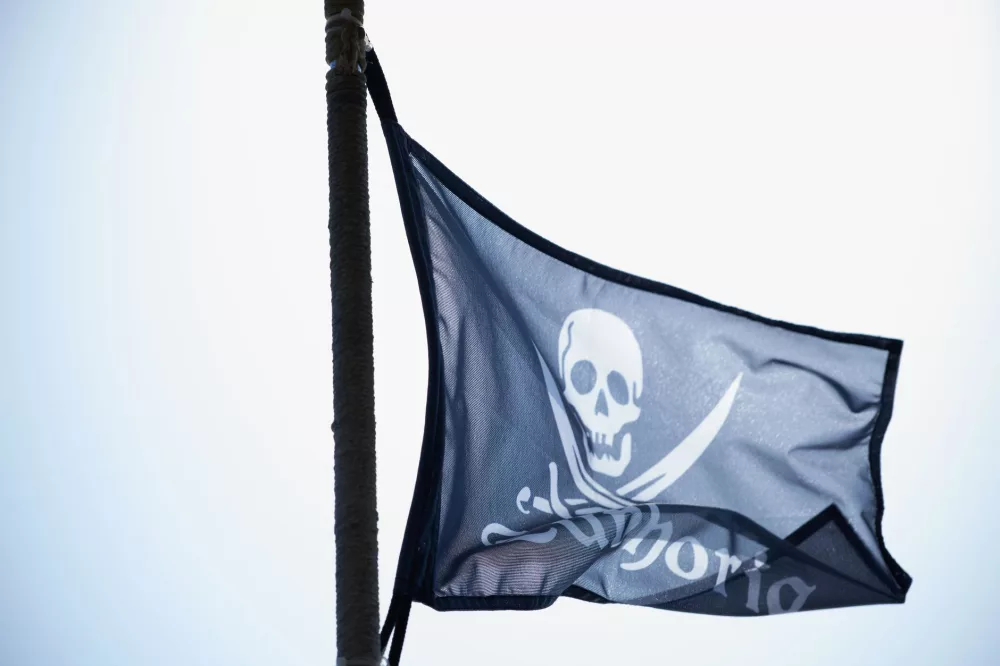
- The Dreaded Flag: Of course, we can't forget the Jolly Roger. While its design varied, its purpose was singular: psychological warfare. Seeing that black flag with its skull and crossbones often convinced merchant crews to surrender without a fight, saving pirates valuable time, resources, and potential casualties. It worked.
Popular Pirate Ship Types and Why They Were Chosen
Not all ships were created equal in the eyes of a pirate. Certain types were preferred due to their inherent characteristics.
Sloops
Ah, the sloop! These were arguably the darlings of the Caribbean pirates. Why? They were small, incredibly fast, and boasted excellent maneuverability, thanks to their single mast and fore-and-aft rigging. I mean, they could practically turn on a dime! This made them perfect for navigating the shallow waters of the West Indies, allowing pirates to escape into coves and estuaries where larger naval frigates couldn't follow. They didn't carry many heavy guns, usually between 4 and 12, but their speed made them formidable pursuers.
Brigantines
A step up from the sloop, the brigantine offered a good compromise. With two masts, typically square-rigged on the foremast and schooner-rigged on the mainmast, they were still quite fast but could carry more crew and more cannons (often 10-16 guns). They had a bit more endurance for longer voyages, which was important for pirates venturing further afield.
Schooners
Similar to sloops in their fore-and-aft rigging, schooners were often larger and had two or more masts. They shared the sloop's speed and ability to sail close to the wind, making them effective for both chase and escape. Their larger size allowed for greater carrying capacity, which was certainly a plus for accumulating ill-gotten gains.
Larger Vessels: Captured Frigates and Galleons
Occasionally, a particularly ambitious or lucky pirate captain might capture a larger vessel like a frigate or even a Spanish galleon. While impressive, these ships were often slower and required a much larger crew to operate and maintain. Famous examples, like Blackbeard's Queen Anne's Revenge (originally a French merchant slave ship called La Concorde), show that pirates weren't above using powerful ships when they could, but they often stripped them down or modified them extensively for their purposes.
Life Aboard: A Brutal Reality
While the romanticized image of piracy often portrays a swashbuckling adventure, the reality of life aboard a pirate ship was usually harsh. Overcrowding was common, hygiene was abysmal, and disease spread rapidly. I can only imagine the stench! Food, though often plentiful after a successful raid, could quickly spoil, and fresh water was a constant concern.
A Unique Social Structure
What I find truly fascinating about pirate ships, though, is their surprisingly democratic, albeit brutal, social structure. Unlike naval or merchant vessels where the captain's word was absolute law, pirates often operated under a set of articles. These articles, agreed upon by the crew, outlined rules for discipline, the distribution of plunder, and even compensation for injuries. The crew often elected their captain and quartermaster, and they could even depose them if they were deemed incompetent or cowardly. This level of crew agency was almost unheard of in the 18th century. The quartermaster, in particular, was a powerful figure, handling provisions and overseeing the division of spoils.
The Enduring Legacy of the Pirate Ship
Even centuries after the Golden Age of Piracy, these ships maintain a powerful grip on our collective imagination. From children's stories to blockbuster films, the pirate ship remains an iconic vessel, sailing through our cultural consciousness as a symbol of adventure and defiance. Its practical design, born of necessity and opportunism, allowed for a brief but impactful reign of terror and freedom on the open seas. We remember them not just for the plunder they carried, but for the spirit of rebellion they embodied. They really were something else.