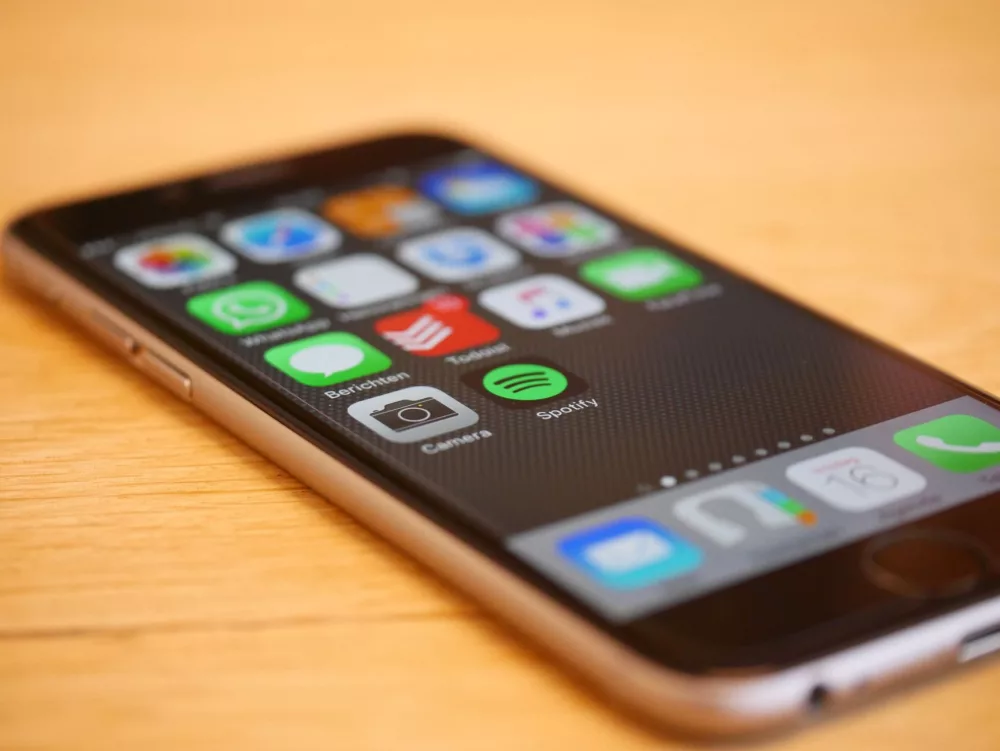
In our increasingly digital world, it’s truly incredible to see how technology is transforming healthcare, and speech therapy is no exception. For many years, traditional in-person sessions were the only real option for individuals needing help with communication challenges. Don't get me wrong, those one-on-one interactions with a qualified speech-language pathologist (SLP) are absolutely invaluable, and they always will be. But now, we've got something really exciting complementing that work: speech therapy apps. I've personally seen how these digital tools can be game-changers, making therapy more accessible, engaging, and ultimately, more effective for a whole lot of people.
What Exactly Are Speech Therapy Apps?
Well, at their core, speech therapy apps are mobile applications, usually designed for smartphones or tablets, that help individuals practice and improve various aspects of their communication. We're talking about everything from articulation and fluency to language comprehension and social communication skills. They're often developed by or in collaboration with SLPs, ensuring that the content is clinically sound and aligned with therapeutic goals. Think of them as a portable practice companion, giving you the chance to work on your speech goals anytime, anywhere.
The Multifaceted Benefits of Digital Speech Practice
Why are these apps becoming so popular? There are several compelling reasons, if you ask me. Let's break down a few of the big ones:
- Accessibility and Convenience: This is a huge one. Not everyone lives near a speech therapy clinic, and scheduling regular appointments can be a real logistical nightmare for busy families or individuals. Apps break down those barriers. You can practice at home, during a commute, or even on vacation. It’s pretty amazing, isn’t it?
- Engagement and Motivation: Especially for kids, traditional drills can get a bit boring. Apps often use gamification, vibrant graphics, and interactive elements to make learning fun. When therapy feels like play, compliance goes way up, and that's crucial for seeing progress. Adults, too, can benefit from the interactive nature and immediate feedback many apps provide.
- Cost-Effectiveness: While professional therapy is an investment, the cost can be prohibitive for some. Many apps offer a more affordable way to supplement therapy or even address milder issues. While they can't replace an SLP, they can certainly extend the reach of therapeutic practice without breaking the bank.
- Supplemental Practice: Therapy sessions are typically once or twice a week. That's not a lot of time to embed new skills. Apps provide the opportunity for daily, consistent practice between sessions, reinforcing what’s learned with the SLP. That consistent repetition is where real change happens, I believe.
- Data Tracking and Progress Monitoring: A lot of these apps come with built-in features that track performance, errors, and areas of improvement. This data can be incredibly valuable for both the individual and their SLP, offering objective insights into progress and helping to fine-tune therapy plans.
Diverse Apps for Diverse Needs
One of the coolest things about the app landscape is its sheer diversity. There's an app for almost every specific communication challenge out there. It’s not a one-size-fits-all situation, and that's exactly how it should be.
Addressing Articulation and Phonology
For individuals struggling with producing specific speech sounds (like 'r' or 's'), articulation apps are fantastic. They often feature visual cues, auditory models, minimal pairs exercises, and recording functions so users can hear their own productions and compare them to a target sound. We've seen apps that turn sound practice into a fun game, where children collect virtual items by saying words correctly. It's really clever.
Enhancing Language Skills
Language therapy apps target a broader range of abilities, including vocabulary development, grammar, sentence structure, comprehension, and expressive language. Some apps might present stories with comprehension questions, while others might focus on categorizing objects, following directions, or building complex sentences. These are often structured to gradually increase in difficulty, mimicking a well-designed therapy program.
Supporting Fluency (Stuttering)
For those managing stuttering, apps can provide tools for practicing fluency strategies, such as easy onset or prolonged speech. They might include metronome features, breathing exercises, or even recording options for self-monitoring. While fluency is a complex area that truly benefits from SLP guidance, these apps can offer a private, consistent way to practice learned techniques.
Voice and Resonance Applications
Although less common than articulation or language apps, some specialized apps are emerging to help with voice disorders (e.g., vocal hygiene, pitch exercises) or resonance issues. These often involve visual feedback on a screen, helping individuals see the impact of their vocal efforts.
Social Communication and Pragmatics
For individuals on the autism spectrum or those with other social communication difficulties, apps can offer scenarios and interactive lessons on understanding social cues, initiating conversations, expressing emotions, and interpreting body language. These can be incredibly helpful for practicing in a safe, controlled environment before trying skills in real-world interactions.
Choosing the Right App: What to Look For
With so many options out there, how do you pick the right one? It's not always easy, but I think we can narrow down some key considerations:
- Consult Your SLP: This is probably the most important piece of advice I can give you. Your speech therapist knows your specific needs or your child's needs best. They can recommend apps that align directly with your therapy goals and avoid any that might be counterproductive.
- Age Appropriateness: An app designed for a 4-year-old won't work for a teenager, and vice-versa. Look for content, interfaces, and themes that are suitable for the user's age and developmental stage.
- Specific Therapeutic Focus: Make sure the app actually targets the area you need help with. If it's articulation of 'k' sounds, does the app specifically offer exercises for that? Don't settle for something generic if you need targeted practice.
- User Interface and Engagement: Is it intuitive? Is it fun? Is it frustrating to navigate? If an app isn't engaging or is too difficult to use, it won't be used consistently, and that defeats the purpose.
- Trial Periods and Reviews: Many apps offer free trials or lite versions. Take advantage of them! Also, read reviews from other users and, if possible, from SLPs. Their experiences can provide valuable insights.
- Data Tracking Capabilities: If progress monitoring is important to you (and it should be!), check if the app provides clear reports and tracking features.
- Cost and Subscription Models: Some are free, some are one-time purchases, and others are subscription-based. Understand the pricing model before committing.
- Privacy Policies: Especially when dealing with children's data, always check the app's privacy policy to understand what information is collected and how it's used.
The Human Element Remains Central
While speech therapy apps are undeniably powerful tools, I want to make one thing absolutely clear: they are supplements, not replacements, for professional speech-language pathology services. An SLP offers personalized diagnosis, goal setting, real-time feedback that an app can't replicate, and the ability to adapt therapy plans on the fly based on individual progress and challenges. They also address underlying issues and teach compensatory strategies in a way no app can. Apps are fantastic for practicing skills learned in therapy, maintaining motivation, and making progress between sessions, but the expertise and human connection of an SLP are simply irreplaceable.
So, as we move forward, I envision a future where technology and human expertise work hand-in-hand, creating an even more robust and effective system for helping everyone achieve their communication potential. Speech therapy apps are certainly a bright spot in that evolving landscape, offering hope and practical solutions to countless individuals.