When I think about the European automotive landscape, one name consistently pops up as a brand with an incredible, sometimes turbulent, but always significant history: Opel. It's a marque that’s been part of countless European families' lives, synonymous with accessible mobility and, for long stretches, solid German engineering. From its humble beginnings in sewing machines to its current standing as a key player within the Stellantis group, Opel’s journey is truly a fascinating one. Let me tell you a bit about what makes this brand so special in my eyes.
The Genesis: Beyond the Automobile
You know, it's pretty neat to consider that Opel didn't even start by making cars. In 1862, Adam Opel founded his company in Rüsselsheim, Germany, initially focusing on the production of sewing machines. This venture was surprisingly successful, and by the 1880s, they branched out into bicycles. This diversification wasn't just a side hustle; Opel became one of the largest bicycle manufacturers in Germany. This period really laid the groundwork for precision manufacturing and engineering prowess, qualities that would later define their automotive efforts. It wasn't until after Adam Opel's death in 1895 that his sons, seeing the burgeoning potential of the automobile, decided to enter this new market. They acquired the rights to manufacture cars from Friedrich Lutzmann, and in 1899, the first Opel automobile rolled off the assembly line. It was a bold step, and one that absolutely transformed the company’s trajectory forever.
Opel Under General Motors: An Era of Global Reach
The 1920s brought a period of rapid industrialization, and Opel was quick to adopt assembly line production, becoming Germany's largest car manufacturer by 1928. This success caught the attention of American giant General Motors, which acquired a majority stake in Opel in 1929, completing the takeover by 1931. This was a really big deal. For decades, Opel would operate as GM's primary European subsidiary, producing a wide range of vehicles that were often badge-engineered for other markets globally. I remember thinking how ubiquitous models like the Kadett, Rekord, and Kapitän were across Europe. They represented dependable, well-built cars that many could afford.
- Kadett: This model, first introduced in the 1930s, became a true icon, especially its post-war iterations. It offered practical, compact motoring for the masses.
- Rekord: A larger, more comfortable option, the Rekord often symbolized rising prosperity in post-war Germany and beyond.
- Kapitän: For those who wanted something a bit more upscale, the Kapitän was Opel's executive sedan, often showcasing more luxurious features and powerful engines.
The GM era wasn't always smooth sailing, though. While Opel enjoyed significant success with models like the Astra, Corsa, and Vectra through the 80s and 90s, they also faced challenges. There were times when the brand's identity felt a bit diluted by GM's global platform strategies. I often felt like they struggled to differentiate themselves enough from their American cousins or even other European competitors during certain periods. Despite this, Opel consistently introduced innovative features and technologies, like the pioneering use of catalytic converters as standard on many models in the late 1980s, showing their commitment to environmental concerns even then.
A New Chapter: The PSA Acquisition
After decades of being part of General Motors, and facing persistent financial difficulties, a monumental shift occurred in 2017: PSA Group (Peugeot Citroën) acquired Opel and its British sister brand, Vauxhall. I think many of us in the automotive world watched this with a mix of curiosity and apprehension. Could PSA, itself having navigated its own rough patches, truly turn Opel around? The answer, surprisingly quickly, was a resounding yes. Under the leadership of Carlos Tavares, PSA implemented a strict, disciplined turnaround plan focusing on efficiency, shared platforms, and brand refocusing. It wasn’t long before Opel started showing profits again, a truly impressive feat.
Reaffirming German Engineering and Electrification
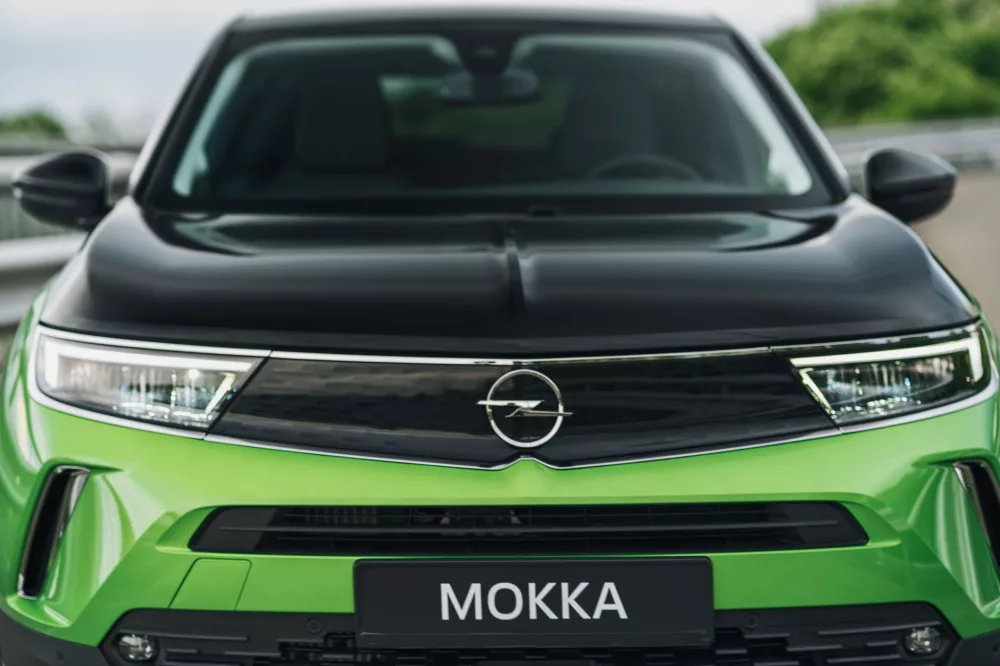
What I find particularly exciting about the post-GM Opel is how they've managed to re-emphasize their German roots while embracing new technologies. Their current tagline, “The Future is Everyone's,” really speaks to their goal of making advanced technology and sustainable mobility accessible. We’re seeing this primarily through their aggressive push into electrification. The new Corsa-e and Mokka-e are fantastic examples of this strategy. They’ve taken established nameplates and given them a fully electric, modern twist, without sacrificing practicality or their distinctive design language. And now, with the new Astra Electric, they're showing they're serious about electrifying their core lineup.
Opel's design language under Stellantis (the mega-group formed by the merger of PSA and Fiat Chrysler Automobiles) has also evolved beautifully. The 'Vizor' front fascia, which integrates the grille, headlights, and brand logo into a single, sleek module, gives their cars a really distinctive and modern look. I think it perfectly balances their traditional, robust build quality with a forward-thinking aesthetic. They’re really trying to make their cars look and feel premium, even in the more accessible segments.
- Shared Platforms: Leveraging platforms like CMP and EMP2 from PSA has been crucial for profitability and developing new models faster.
- Electrification Focus: Almost every new Opel model offers an electric variant, aligning with global sustainability trends.
- Design Language: The 'Vizor' design signature has created a strong, recognizable brand identity.
Opel's commitment to innovation extends beyond just powertrains. I've noticed their interiors are becoming much more ergonomic and user-friendly, with digital cockpits and advanced infotainment systems that are intuitive to use. They’re not just building cars; they’re crafting mobility solutions that cater to a wide range of needs, from urban commuters to families needing practical space.
Looking Ahead: Part of Stellantis
Being part of Stellantis offers Opel an incredible opportunity. It means access to even broader resources, shared research and development, and a vast global market presence. I believe this positions Opel extremely well for the challenges and opportunities of the coming decades, especially as the industry moves more and more towards software-defined vehicles and autonomous driving. Opel isn't just surviving; it’s thriving, reinventing itself while staying true to its core values of precision, reliability, and accessibility. It's a brand I'll always keep an eye on, because its story is a compelling blend of enduring heritage and relentless adaptation. I really can't wait to see what they do next.